
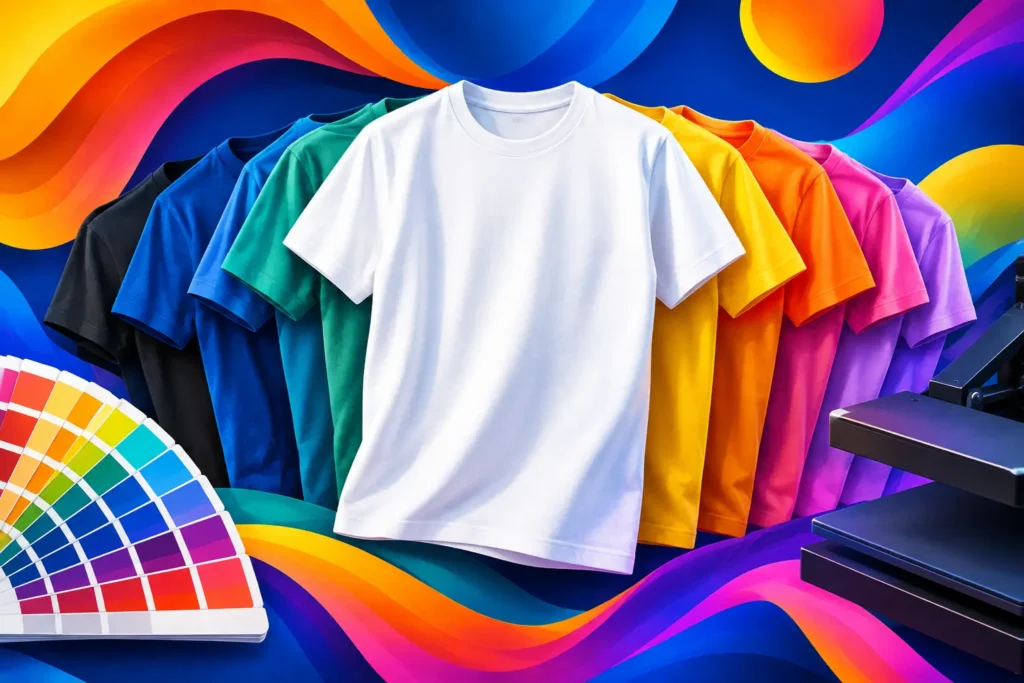
A great design can still disappoint on the wrong shirt. If the fabric feels thin, the fit runs small, or the color fights your artwork, customers notice before they ever notice the print. Knowing how to choose shirt blanks helps you get better-looking apparel, fewer sizing issues, and shirts people actually want to wear again.
The right blank depends on what you are printing, who will wear it, and how much use it needs to handle. A one-day family reunion shirt has different demands than restaurant uniforms, a construction crew order, or a retail brand launching its first drop. Start with the job, then choose the shirt.
How to Choose Shirt Blanks for the Job
Before you compare brands or colors, define the purpose of the order. This is the fastest way to narrow down your options without overspending or settling for a shirt that does not match the moment.
For birthday shirts, memorial shirts, school spirit days, and casual events, comfort and budget usually lead the decision. A dependable cotton or cotton-blend tee in a standard unisex fit is often the right move. It gives you a familiar feel, a wide range of colors, and a price point that works for groups.
For business uniforms, think beyond the first wear. Staff shirts need to hold their shape, handle repeated washing, and represent the business well every day. A midweight or heavyweight blank with stronger construction is usually worth the added cost, especially for restaurants, landscaping companies, car washes, moving crews, and construction teams.
For a clothing brand, the blank is part of the product. Customers will judge the neckline, sleeve length, fabric weight, and overall fit just as much as the artwork. A softer ringspun shirt, a heavier streetwear-style tee, or a fashion fit may make more sense than a basic promotional blank. Order samples before committing to a full run.
Start With Fabric and Shirt Weight
Fabric affects comfort, print appearance, durability, and cost. You do not need to overcomplicate it, but you do need to understand the trade-offs.
100% Cotton
Cotton remains a strong choice for everyday custom shirts. It feels familiar, breathes well, and works especially well for event apparel, retail tees, and most casual business orders. Heavier cotton generally feels more substantial and can provide a premium look, while lightweight cotton is cooler and more budget-friendly.
Standard cotton can be a practical choice for larger runs where price matters. Ringspun cotton has a smoother, softer feel and is often preferred for shirts people will wear casually or buy at retail. The smoother surface can also help detailed designs look cleaner.
Keep in mind that some cotton shirts can shrink after washing if they are not pre-shrunk. If the order is for a team or uniform program, confirm the blank’s shrinkage details before placing a large order.
Cotton-Poly Blends
Blends are popular because they combine softness with durability. A cotton-poly shirt can hold up well through frequent washing and may resist shrinking better than 100% cotton. They are a smart option for uniforms, athletic groups, and customers who want a softer shirt without moving into a premium price range.
For DTF printing, cotton and cotton-poly blends are both solid choices. DTF transfers are versatile and can produce full-color artwork on light or dark garments without the setup demands of screen printing. Still, fabric composition matters with certain colors and use cases. Polyester-heavy garments, especially in bright reds, royal blues, and other saturated shades, may be more prone to dye migration when heat is applied. Test first when the job is high-stakes.
Performance Polyester
Performance shirts are built for moisture management, active wear, and lightweight comfort. They are a natural fit for sports teams, gyms, road races, outdoor crews, and summer events. The trade-off is that polyester requires more attention during production because heat sensitivity and dye migration can affect results.
Choose quality performance blanks, use the right transfer settings, and test the garment before producing a full order. A shirt that looks great at the press should still look great after a wash cycle.
Match the Fit to the People Wearing It
A shirt can be technically high quality and still be the wrong choice if the fit misses the audience. Standard unisex tees are versatile for mixed groups and are often the simplest option for events. They are easy to size, familiar to most customers, and available in broad color selections.
Retail projects may call for more intention. Modern-fit shirts usually have narrower sleeves and a closer body fit. Oversized heavyweight tees offer a more current streetwear look. Women’s cuts, youth sizes, and toddler shirts should be selected separately rather than treated as smaller versions of an adult unisex blank.
Do not guess on sizing when ordering for a group. Ask for a size breakdown early, especially for uniforms and events. If you are selling shirts online or at an event, publish measurements rather than relying only on labels such as large or XL. Brand sizing can vary enough to create avoidable exchanges.
Choose Colors That Support the Artwork
The shirt color should make the design easier to see, not harder. Black, white, navy, heather gray, and natural are reliable choices because they work with a wide range of logos, photos, and event graphics. But the best choice is not always the safest one.
For a business logo, start with brand colors and contrast. A dark logo can disappear on a dark shirt. A light design may need a white underbase or a different garment color to stay visible. For photo shirts and full-color DTF designs, consider the background in the artwork. If the design has a dark rectangular background and you place it on a light shirt, it may look like a visible box instead of a finished graphic.
Heather and vintage-wash blanks can add character, but their mixed fibers may slightly change the perceived color of the print. That is not necessarily a problem. It is a design decision. If precise color matching matters for a corporate order, choose a more consistent solid-color blank and approve a sample first.
Look Beyond the Fabric Label
Two shirts with the same fabric content can feel completely different. Construction is where quality becomes obvious. Check the collar, seams, side construction, and overall cut before you build an order around a blank.
A thicker rib collar tends to hold its shape better. Shoulder-to-shoulder taping can improve durability. Side-seamed shirts often offer a cleaner, more consistent fit than tubular styles, though tubular tees can be a cost-effective choice for large promotional runs. Tear-away tags are useful for private-label apparel and for customers who dislike scratchy neck labels.
For business orders, consistency matters. You want the same blank, color, and fit to be available when the customer comes back for ten more shirts next month. Choosing a shirt only because it is cheap today can create problems if it is discontinued or difficult to restock later.
Balance Budget With the Impression You Want to Make
The lowest-cost shirt is not always the best value. A thin blank may work for a giveaway, but it can make a paid retail shirt feel underwhelming. A premium blank may be unnecessary for a one-time fundraiser where the main priority is keeping the total affordable.
Think about what the wearer expects. A free promotional tee can be lightweight if the print is clean and the shirt is comfortable enough. A $30 branded shirt needs to feel like something worth buying. A uniform needs to survive the workweek. Price the blank according to the job’s purpose, not just the cost per piece.
When in doubt, compare two options side by side. Feel the fabric, look at the collar, check the size chart, and press a sample of the actual artwork. That small test can prevent a costly mistake on a 100-piece order.
Make the Final Choice With a Real Sample
Photos and product descriptions are helpful, but a physical sample answers the questions that matter: Does the color look right? Does the shirt feel good? Does the design sit well on the fabric? Does it still look professional after washing?
For urgent orders, a reliable blank that is in stock is often better than a perfect option that delays production. GFX The Print Shop can help match your artwork and deadline to a shirt blank that makes sense for the job, whether you need one custom tee or a full business uniform run.
Choose the blank with the end wearer in mind. When the fabric, fit, color, and print method all work together, the finished shirt does more than carry a design – it makes people want to wear your message.