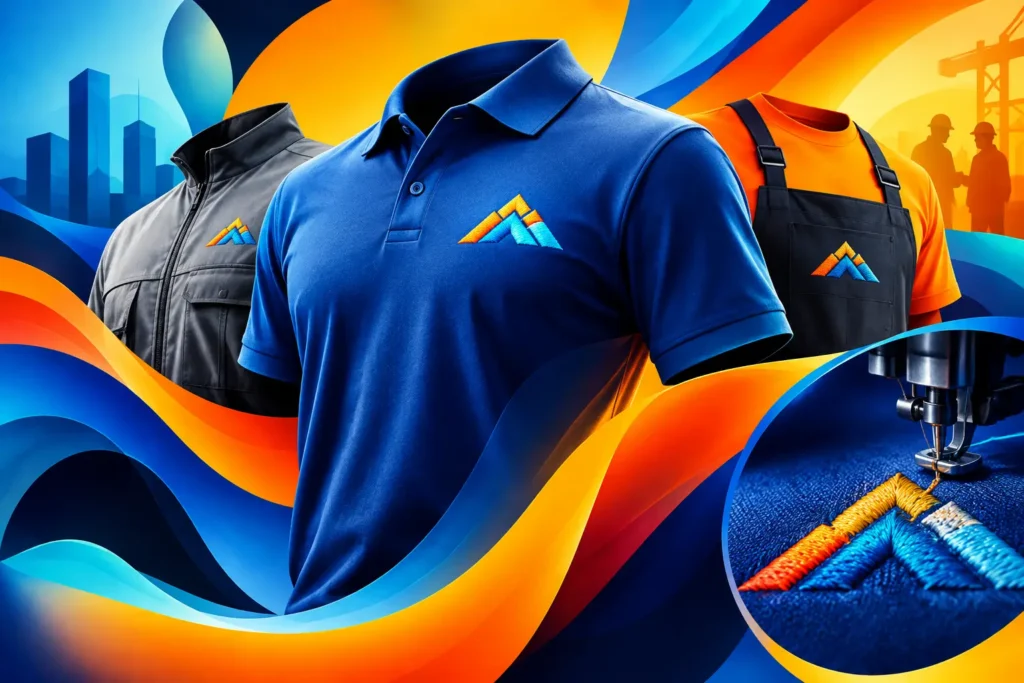
A uniform does more than identify who is on the clock. It tells customers who they can trust, makes a team look organized, and keeps your business visible long after the first handshake. Embroidered printed uniforms give you two powerful ways to brand that look: durable stitched details where they count and full-color printing where your design needs more room to stand out.
For a restaurant crew, landscaping company, construction team, car wash, school staff, or event crew, the right decoration method is not just about appearance. It affects comfort, wash performance, cost, and how quickly you can get everyone dressed and ready. The best uniform program is built around the work your people actually do.
Why embroidered printed uniforms make sense
Embroidery and print each bring a different strength to workwear. Embroidery creates a raised, textured finish that looks established and professional. It is a strong choice for left-chest logos, names, titles, and simple marks that need to hold up through repeat wear. Think polo shirts, button-downs, jackets, hats, and outerwear.
Printing gives you color, detail, and flexibility. A full-color logo, photo-based graphic, gradient, large back design, safety message, or sponsor list can be difficult or expensive to reproduce in thread. DTF printing handles those details cleanly without the setup demands of traditional screen printing. It also works on a wide range of garment colors and fabrics.
Combining the two can give a uniform a more intentional look. A company might use embroidered logos on the front of a polo for a polished customer-facing finish, then add a bold printed logo, website, department name, or service list on the back. That setup makes sense when employees meet customers face-to-face but also need to be recognizable from across a job site, parking lot, or event space.
Choose decoration based on the job, not just the logo
There is no single best method for every uniform. The right call depends on garment type, logo artwork, quantity, budget, and how hard the apparel will be used.
When embroidery is the better fit
Embroidery works best when the artwork is clean and reasonably simple. Small logos with solid shapes, text, and limited fine detail tend to stitch well. It brings a premium look to polos, work shirts, quarter-zips, fleece jackets, caps, and bags.
It is especially useful when your staff works in customer-facing roles. A crisp embroidered left-chest logo can make a cleaning company, medical office, restaurant, security team, or property management crew look more established right away. Names and job titles can also be embroidered for a personal touch that helps customers know who they are speaking with.
There are trade-offs. Tiny lettering may not stitch clearly, and highly detailed artwork can lose definition when converted into thread. Embroidery also adds weight to the garment, which may be less comfortable on thin performance shirts or in very hot work conditions. If your logo has fades, photographs, or many small color transitions, print is usually the smarter choice.
When printing is the better fit
Printing is built for artwork that needs visual impact. Full-color logos, large designs, fine details, gradients, QR codes, and promotional messages are all better candidates for print. It is ideal for T-shirts, hoodies, performance shirts, event apparel, and uniforms that need a large back graphic.
DTF printing is particularly useful for businesses that need flexibility. You can print on cotton, polyester, blends, and many other apparel materials without having to weed vinyl or commit to a large screen-print run. That matters for growing teams, seasonal staff, employee replacements, and businesses that need uniforms fast.
A printed uniform also makes sense when visibility is the priority. A bold logo across the back of a landscaping shirt, a high-contrast company name on a construction hoodie, or a colorful graphic on an event crew tee can be seen at a distance. For teams working outdoors, at festivals, or in busy customer environments, that extra visibility can do real work for your brand.
A practical layout that works for most teams
The front-left chest and the full back remain popular placements for a reason. They are functional, familiar, and easy for customers to read. But the design still needs to match the garment and job.
For a professional service uniform, an embroidered left-chest logo paired with a printed back logo or service information creates a balanced result. The front looks polished during customer conversations, while the back turns every employee into moving brand exposure.
For trades and outdoor crews, consider a larger print on the back and a smaller front logo. Add a phone number only if it is large enough to read quickly. If the text has to be shrunk down to fit, it will not produce calls. A clean company name, strong logo, and easy-to-read service category often outperform a crowded design.
For restaurants and retail, placement may be more restrained. Embroidered polos, aprons, hats, and button-downs can carry a logo without overwhelming the uniform. A small printed detail on a sleeve or back neck can add personality for brands that want something more casual.
Start with garments your team will actually wear
A great print or embroidery job cannot fix an uncomfortable shirt. Before choosing colors and placements, think about heat, movement, wash frequency, and the kind of work being done.
Cotton T-shirts are comfortable and familiar, making them a good fit for event staff, casual retail, moving crews, and promotional uniforms. Polyester performance shirts are lighter and better for active teams, especially during warm New York summers. Blends often offer a good middle ground, with softness, durability, and better shape retention.
Polos are a dependable option for service businesses because they sit between casual and formal. Jackets, hoodies, and quarter-zips help extend branding into colder months and give employees layers that still look like part of the team. For messy jobs, darker garment colors can hide stains better, while high-visibility colors may be needed for safety or quick identification.
Ask employees for input before placing a large order. If the crew hates the fabric, the uniforms may end up in lockers instead of on the job. A practical garment choice protects your investment and keeps your branding in front of customers.
Get the artwork ready before production starts
Clear artwork prevents delays and makes the final uniform look better. Vector files are ideal for logos, but high-resolution PNG files can also work for many printed designs. If you have an existing logo but are not sure whether it is production-ready, send the best version you have rather than stretching a small image until it looks blurry.
Keep embroidery in mind when preparing a logo. Fine lines, tiny spaces, and small text may need to be simplified. A logo that looks sharp on a business card can need adjustments before it can be stitched cleanly on a left chest. That is normal. The goal is not to change your brand – it is to make sure it reads well on fabric.
For printed artwork, consider contrast. A dark design on a dark shirt will disappear from a few feet away. A bright, high-contrast design can look great, but it should still fit your brand. If your company uses a dark logo, a light underbase or alternate logo version may be the right answer for darker garments.
Plan for growth, replacements, and fast reorders
Uniform ordering gets easier when you think beyond the first batch. Order a few extra pieces in common sizes if turnover is likely, or keep approved artwork and garment details on file for future additions. That way, a new hire does not have to wait weeks to look like part of the team.
It also helps to standardize your uniform options. For example, field staff may receive printed moisture-wicking shirts and hoodies, while office or sales staff wear embroidered polos and jackets. Everyone carries the same logo and colors, but the apparel matches the role.
For short notice needs, simple artwork and in-stock garments usually move faster than complex custom requests. GFX The Print Shop can help businesses move from an idea to professional apparel quickly, whether you need a few replacement shirts or a larger run for a new crew.
Make every shift a brand impression
Uniforms are one of the few marketing tools your team uses every day. They show up at job sites, customer homes, stores, community events, and on the road between appointments. When the garment is comfortable, the logo is readable, and the decoration method fits the job, that visibility adds up.
Choose embroidery for the details that need a polished, long-lasting finish. Use print for the color, scale, and messaging that demand attention. Then build a uniform your team is proud to put on, because the best branded apparel works hardest when people actually want to wear it.