
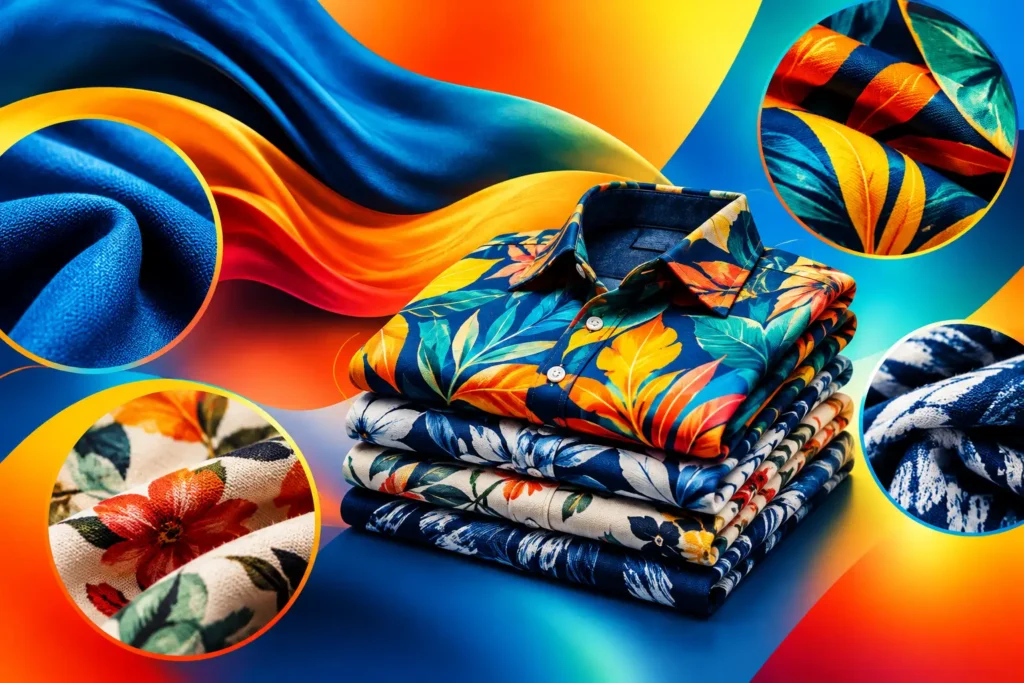
A great print can still disappoint on the wrong shirt. The best fabrics for printed shirts are the ones that match your design, how the shirt will be worn, and how quickly you need the finished order. A soft birthday tee, a restaurant uniform, a construction crew shirt, and a performance team jersey do not need the same blank.
At GFX The Print Shop, we see the difference every day: the right fabric helps artwork look sharper, feel better, and hold up after real use. Start with the purpose of the shirt, then choose the material that gives your print method the best surface to work with.
Best Fabrics for Printed Shirts at a Glance
For most custom shirt orders, cotton, cotton-poly blends, and polyester are the strongest choices. Each has a place, and the best option depends on comfort, durability, moisture management, garment color, and the look you want from the print.
100% cotton is the dependable choice for soft everyday shirts, event apparel, fashion tees, and detailed full-color designs. Cotton-poly blends offer a balanced feel with better shape retention and less shrinkage. 100% polyester is built for activewear, uniforms, and jobs where moisture-wicking performance matters.
With DTF printing, you have more flexibility than many traditional decoration methods. DTF transfers work well on cotton, polyester, blends, and many specialty garments, making them especially useful when one order includes several fabric types.
100% Cotton: Best for Soft Everyday Custom Shirts
Cotton remains a customer favorite for a reason. It is breathable, familiar, and comfortable against the skin. For family reunions, memorial shirts, birthday designs, brand merch, school events, and casual staff shirts, a quality cotton tee gives people a shirt they will actually want to wear again.
Cotton also provides an excellent surface for vivid, detailed prints. It works particularly well when your artwork includes photographs, gradients, small lettering, or bright full-color graphics. DTF transfers adhere beautifully to cotton and preserve strong color payoff, including white ink underbases on dark shirts.
The trade-off is that 100% cotton can shrink if it is not pre-shrunk, and lower-quality cotton shirts may lose their shape over time. For bulk orders, do not judge blanks by price alone. A heavier, ring-spun or combed cotton shirt can feel noticeably more premium than a basic open-end cotton tee.
When cotton makes the most sense
Choose cotton when comfort is the priority and the shirt is meant for casual or everyday wear. It is a strong fit for promotional giveaways, retail tees, churches, clubs, graduation shirts, and one-time events where you still want a professional finished product.
Cotton-Poly Blends: Best All-Around Option
A cotton-poly blend is often the smartest middle ground for businesses and repeat-use apparel. Common blends include 60/40 and 50/50 cotton-poly combinations. They keep much of cotton’s softness while adding polyester’s strength, wrinkle resistance, and ability to hold its shape.
For uniforms, work shirts, team apparel, and branded staff clothing, blends can be a practical win. They tend to shrink less than 100% cotton and often keep a cleaner appearance after frequent washing. That matters for restaurants, car washes, landscaping teams, cleaning companies, and other crews that put shirts through regular use.
DTF prints work very well on blends, but heat application matters. Polyester content can be sensitive to excessive heat, especially on darker garments. A professional printer will use the proper settings to secure the transfer while reducing the risk of dye migration, when dye from the garment can affect lighter print areas.
Blends are not always the softest option, and some customers prefer the natural feel of all cotton. Still, if you need a shirt that balances comfort, durability, and value, a quality blend is hard to beat.
Polyester: Best for Sports, Performance, and Workwear
Polyester is made for movement and moisture. It is lightweight, durable, quick-drying, and commonly used for athletic jerseys, gym shirts, outdoor crews, delivery teams, and performance uniforms. If your group will be sweating, working outside, or washing shirts constantly, polyester deserves serious consideration.
The fabric holds color well and resists shrinking, which helps keep a large team order looking consistent. It is also available in moisture-wicking, snag-resistant, and high-visibility styles. For a sports team or active business staff, those features can matter as much as the graphic itself.
Printing on polyester requires attention because the fabric can be heat-sensitive and prone to dye migration. This is especially common with red, maroon, navy, royal blue, and other deeply dyed performance garments. The right transfer, adhesive powder, press temperature, and pressing time all help protect the final result.
Polyester can feel less natural than cotton, so it may not be the first choice for a soft retail-style tee. But for performance and long-term utility, it is one of the best fabrics available.
Tri-Blends and Premium Soft Shirts
Tri-blend shirts typically combine cotton, polyester, and rayon. They are known for a lightweight, worn-in feel that works well for boutique merchandise, fitness brands, lifestyle apparel, and designs with a vintage direction. If you want a shirt that feels broken in from day one, a tri-blend is worth considering.
The trade-off is that tri-blends are usually more expensive and can have a more textured surface than a standard cotton tee. That texture can slightly change how a print feels and looks, particularly with very fine details. DTF can still be a strong choice, but a test press is smart for premium jobs, unusual colors, or large artwork.
Fabric Weight Matters Too
Fabric content gets most of the attention, but shirt weight affects the finished product just as much. Lightweight shirts are cooler and often less expensive, making them popular for outdoor events, summer promotions, and large giveaways. They can also show through more easily, especially in light colors.
Midweight shirts are the safe choice for many orders. They feel substantial without being heavy and work for casual wear, uniforms, and branded apparel. Heavyweight cotton tees create a more structured, premium streetwear look and can support bold front-and-back designs particularly well.
There is no universal “best” weight. A thick shirt may feel premium for a clothing brand but be too warm for a landscaping crew in July. Match the weight to the job, not just the trend.
Choose the Fabric Based on How the Shirt Will Be Used
Before you upload artwork or order blanks, answer a few practical questions. Will people wear this once or every week? Will the shirt be exposed to heat, sweat, or physical work? Is a soft feel more important than performance? Does the design need bright white ink on a dark garment?
For a last-minute family event, a comfortable cotton tee is usually the easy answer. For staff uniforms, a cotton-poly blend often gives better long-term value. For sports and active crews, polyester performance shirts are usually the right call. For a premium merch drop, ring-spun cotton or a tri-blend can make the whole order feel more intentional.
Garment color also affects the decision. Dark shirts make bright artwork stand out, but they usually require a white base layer beneath the design. Light shirts can offer a softer print feel for some artwork. A good print partner can recommend the combination that supports your design rather than forcing a one-size-fits-all solution.
Getting Better Results From DTF on Any Fabric
DTF is a practical option because it handles full-color designs without vinyl weeding or screen setup. It is ideal for detailed logos, multicolor graphics, names and numbers, photo designs, and short-run orders where flexibility matters. But the final result still depends on proper application and garment care.
For the best wear, wash printed shirts inside out in cold water, use a mild detergent, and avoid high heat whenever possible. Do not iron directly on the print. These simple steps help preserve color, adhesion, and the garment itself.
If you are supplying your own garments, bring or send one extra blank when possible. Different brands and fabric finishes can behave differently under a heat press. An extra shirt gives room for testing and protects your deadline if a garment has an unexpected issue.
The Right Fabric Makes the Print Work Harder
Do not choose a shirt blank as an afterthought. The fabric affects comfort, color, durability, print feel, and whether people keep wearing your design after the event is over. Cotton wins for everyday softness, blends deliver reliable all-around performance, and polyester leads when the job demands movement and moisture control.
Bring the purpose of your order into the decision from the start. A shirt chosen for the way people actually live, work, and move will make your printed design look like it belongs there.