A single shirt minimum should not stop you from getting a professional custom print. Sometimes you need one birthday shirt for Saturday, one memorial tee for a family member, one sample for a new clothing brand, or one uniform shirt for a new employee. The job is small, but it still needs to look sharp, feel right, and be ready when you need it.
At GFX The Print Shop, one-off apparel orders get the same attention as larger runs. Modern print methods make it possible to produce full-color artwork on a single garment without waiting for a screen setup or paying for a large order you do not need. That gives customers more flexibility, especially when the deadline is close or the design is personal.
What Does a Single Shirt Minimum Mean?
A single shirt minimum means you can order one custom shirt rather than meeting a required quantity such as 12, 24, or 50 pieces. It is a practical option for personal events, gifts, samples, replacements, and quick business needs.
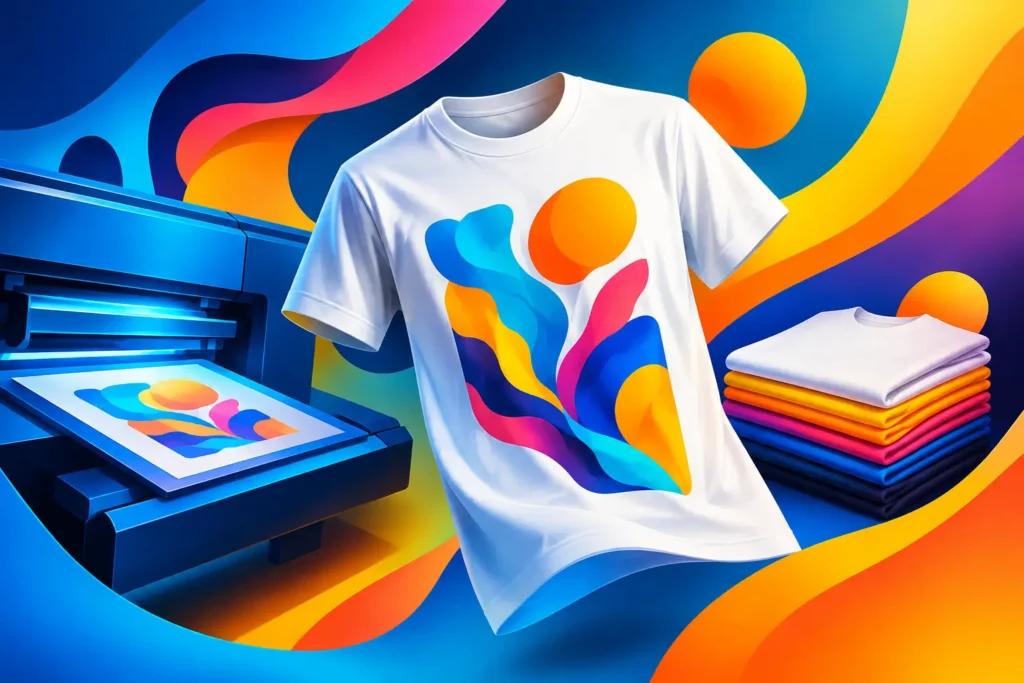
Traditional screen printing is excellent for larger orders because the setup cost is spread across many shirts. For one piece, however, creating screens can make the job inefficient and expensive. Direct-to-film printing, often called DTF, changes that equation. Your artwork is printed as a high-quality transfer, then heat applied to the shirt. There is no vinyl to weed and no separate screen needed for every color.
That means a one-shirt order can still include detailed logos, photographs, bright colors, gradients, and small text. The best method depends on the garment, design, deadline, and quantity, but DTF is often the most efficient choice for custom one-offs.
When One Custom Shirt Is the Right Move
A single custom shirt makes sense when the message is specific to one person or one moment. A child may need a custom birthday tee with their name and age. A family may want a photo shirt for a memorial service. A coach may need a replacement staff shirt before the next game. A new business owner may want to see their logo on an actual garment before ordering uniforms for the whole crew.
It is also a smart way to test an apparel idea. If you are launching a clothing line, do not guess how a graphic will look at full size. Print one sample. Check the placement, color, shirt feel, and overall fit. A sample can reveal whether your lettering needs to be larger, whether a dark garment works better, or whether a design needs more contrast before you invest in a larger run.
For businesses, a one-piece order can solve a real operational problem. Restaurants hire new staff. Construction teams add a worker. Car washes replace damaged uniforms. Landscaping crews need a shirt for a new employee. Ordering a single matching shirt keeps your team looking consistent without forcing you into a bulk reorder every time staffing changes.
How to Prepare a One-Shirt Order
The faster the artwork and garment details are ready, the faster your custom shirt can move into production. You do not need to be a designer, but clear information helps avoid delays and makes sure the finished shirt matches your expectations.
Start With the Shirt Details
Choose the garment color, size, and style first. A white logo may look great on black but disappear on light gray. A photo design may need a white underbase on a dark shirt to keep its colors vivid. Think about who will wear the shirt and how it will be used. A heavyweight cotton tee may be right for a keepsake or work shirt, while a softer retail-fit shirt may be better for a gift or brand sample.
Also decide where the design belongs. A full-front print, left-chest logo, back print, sleeve detail, or combination placement all create different looks. If you have a reference photo, provide it. A quick visual can prevent confusion about scale and position.
Send the Best Artwork You Have
High-resolution artwork produces the cleanest result. Vector files such as AI, EPS, SVG, and print-ready PDF files are ideal for logos because they can scale without becoming blurry. A high-quality PNG with a transparent background also works well for many designs.
If all you have is a phone photo, screenshot, or image pulled from social media, it may still be usable, but the result depends on the original quality. Small, compressed images often look soft when enlarged. Avoid sending photos of a logo printed on another shirt if possible. The print shop may be able to help improve or recreate artwork, but that can add time to an urgent order.
For names, dates, and event details, proofread every word before production. Double-check spelling, phone numbers, social handles, graduation years, and shirt sizes. A great print cannot fix incorrect information in the artwork.
Be Clear About Your Deadline
If the shirt is for a party, funeral, trip, trade show, or employee start date, say so right away. A deadline changes how the job should be planned. Same-day service may be available for print-ready work and suitable garments, but it depends on order timing, production capacity, and the details of the request.
Last-minute does not have to mean low quality. It does mean choices may be more limited. A specific shirt color or specialty garment may not be available immediately, and detailed artwork adjustments take time. When speed matters most, being flexible on garment style can help get the job done.
Single Shirt Minimum vs. Bulk Orders
Ordering one shirt gives you flexibility, but it is not always the lowest cost per piece. Setup-free methods make one-offs possible, yet garment handling, printing, and production time still happen whether you order one shirt or 100. That is why a single custom shirt usually costs more per shirt than a bulk run.
Bulk orders become more cost-effective when everyone needs the same design, such as family reunion shirts, staff uniforms, school club apparel, or event merchandise. They may also open up additional print options. If you know you will need more shirts soon, it is worth asking whether printing extra transfers or planning a larger order makes better sense.
The answer depends on your goal. If you need one shirt now, order one. If you are testing a brand or designing uniforms, use that first shirt as a proof. Once you are happy with the size, color, and placement, reordering becomes much easier.
Design Choices That Print Better on One Shirt
The strongest one-off shirts are easy to read from a few feet away. That does not mean every design has to be simple. Full-color artwork can look outstanding, but the main message should still be clear. For event shirts, put the name, date, or theme where it can be seen quickly. For business shirts, make the logo and contact information legible at normal viewing distance.
Contrast matters more than many people expect. Dark artwork on a dark shirt loses impact, while light colors may need a darker garment to stand out. If your design includes a photograph, use a crisp original image with good lighting. Images that are already blurry, dark, or heavily filtered will not become clearer in print.
Small details deserve extra attention. Thin lines, tiny text, and subtle color changes may not read well on fabric, especially at a small print size. A print professional can recommend adjustments that preserve the look of your design while making it more wearable and durable.
Get the Shirt You Need, Not the Quantity You Do Not
You should not have to order a box of shirts just to celebrate one person, replace one uniform, or test one great idea. A professional one-off print gives you the freedom to create something personal, polished, and ready for the moment.
Bring a clear idea, the best artwork you have, and your deadline. Whether it is a last-minute gift or the first sample for a growing brand, one shirt can be exactly the right place to start.